
· 9 min read
Easy Bottle Openers for Weak Grip and Arthritic Hands: What Actually Helps
How to choose a bottle opener for arthritic hands or a weak grip: handle length, grip, one-handed mounted models, and simple tricks that make any cap easier.
- bottle opener for arthritic hands
- bottle opener for elderly
- one handed bottle opener
- bottle opener
- buying guide
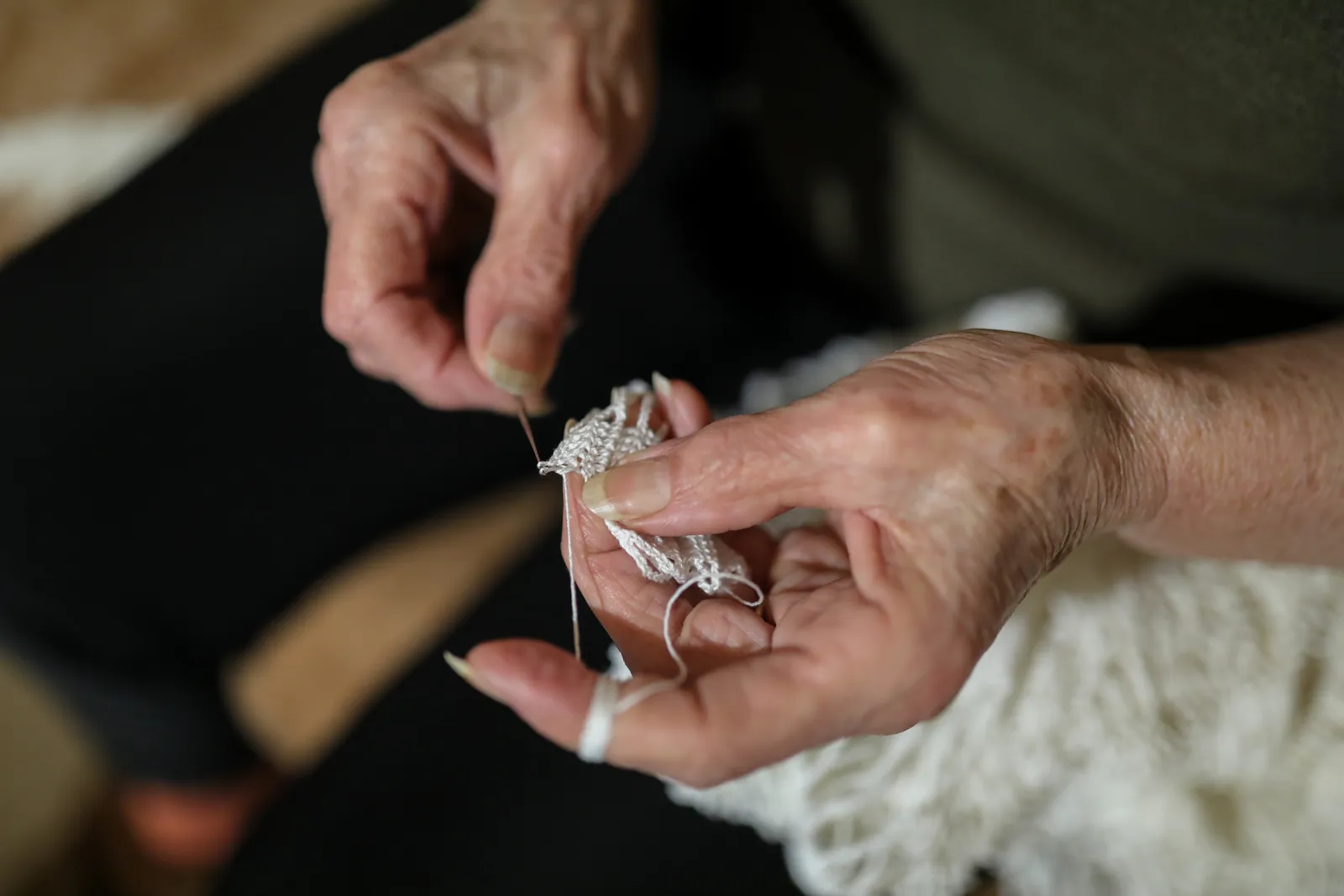
A good bottle opener for arthritic hands moves the work away from your fingers: a long handle for leverage, a thick grip you can hold with your whole hand, and ideally a design that lets you push down with your palm or use one hand while the bottle stays still. Metal crown caps were never designed with sore joints in mind. A standard opener asks you to pinch a small tool, hook it under a crimped edge and lift. This guide explains what to look for, compares the main types, and shows where the CapBlast lever opener and the Beer Mortar fit, along with when they don't. It is practical buying advice, not medical advice.
Key Takeaways
- The two things that make an opener easier are a longer handle (more leverage) and a thicker grip (less pinching).
- Mounted openers fixed to a wall or counter are the classic one-handed option.
- Pushing down on a lever, with the palm, can be easier than lifting it with the fingertips.
- Steady the bottle on a non-slip surface at table height before you open it.
- For personal advice, an occupational therapist can look at how you handle everyday tasks and suggest tools.
Why bottle caps are hard on sore hands
A bottle opener is a lever: its lip slips under the crimped edge of the cap and uses a point on the cap as the pivot (Wikipedia: Bottle opener). That only works if you can hold the opener firmly, hook it in place and push or pull with some force. Each of those steps loads the fingers, thumb and wrist.
Plenty of people face this. About 54 million US adults have arthritis, according to the CDC. Osteoarthritis, the most common type, usually affects the hands, hips, back or knees (CDC: Osteoarthritis). A small tool that needs a tight pinch grip is one of the first things to become annoying.
A longer lever multiplies the force you put in: its mechanical advantage depends on how far your hand is from the pivot compared with the distance from the pivot to the load (Wikipedia: Lever). Add a handle you can hold without squeezing, and the same cap needs far less effort from your fingers.
What to look for in a bottle opener for arthritic hands
Five details make the difference between an opener that helps and one that ends up in a drawer.
A long handle
This is the single most useful feature. A tiny keyring opener puts your hand close to the pivot, so you need more force. A handle you can wrap at least three fingers around, or your whole palm, lets the lever do the work. If you are choosing between two openers, the longer one is usually easier.
A thick, non-slip grip
Thin flat metal forces a pinch grip. A wider body, rounded edges or a rubber or textured coating let you hold the opener with a relaxed hand. Arthritis UK gives the same advice for household tools in general: padding handles makes them easier to grip (Arthritis UK: Aids and adaptations).
A push-down action
Most people lift an opener upward. You can also place the near end on top of the cap, hook the far end under the edge and push down instead. Wikipedia's entry on bottle openers notes that pushing down is "marginally anatomically easier", even if the lever is slightly less efficient that way (Wikipedia: Bottle opener). Pushing down also lets you use your palm and body weight rather than your fingertips. Try both directions and keep whichever feels better.
One-handed use
If one hand is weaker than the other, look for an opener that needs only one hand to operate while the bottle sits on a table or is held by the stronger hand. Mounted openers do this best, because the opener stays fixed and you only guide the bottle.
A stable bottle
The opener is only half the job. A bottle that slides or tips forces you to grip it hard with the other hand. A damp tea towel or a rubber jar mat under the bottle stops it moving. Wet bottles fresh from an ice bath are slippery, so if you use our fast chilling method, dry the bottle before you open it.
Bottle opener types compared for a weak grip
| Type | Why it helps | Watch out for | Suits |
|---|---|---|---|
| Mounted (wall or under-counter) | One-handed; the opener does not move | Fixed in one place; needs screws or a strong mount | Opening bottles in one spot at home |
| Long flat lever ("bar blade") | Long handle, easy to push down | Thin metal can be hard to hold; pad it or choose a coated one | Kitchen drawer, home bar |
| Compact handheld lever | Portable; good ones are built for one hand | Short handles need more force | Carrying around, picnics |
| Automatic or electric | A button does most of the work | Batteries or charging; parts can fail | People who struggle with any lever |
| Cap launcher (palm strike) | No pinching or twisting; one downward strike of the palm | The strike has a small impact; not for painful wrists | People with weak fingers but comfortable wrists |
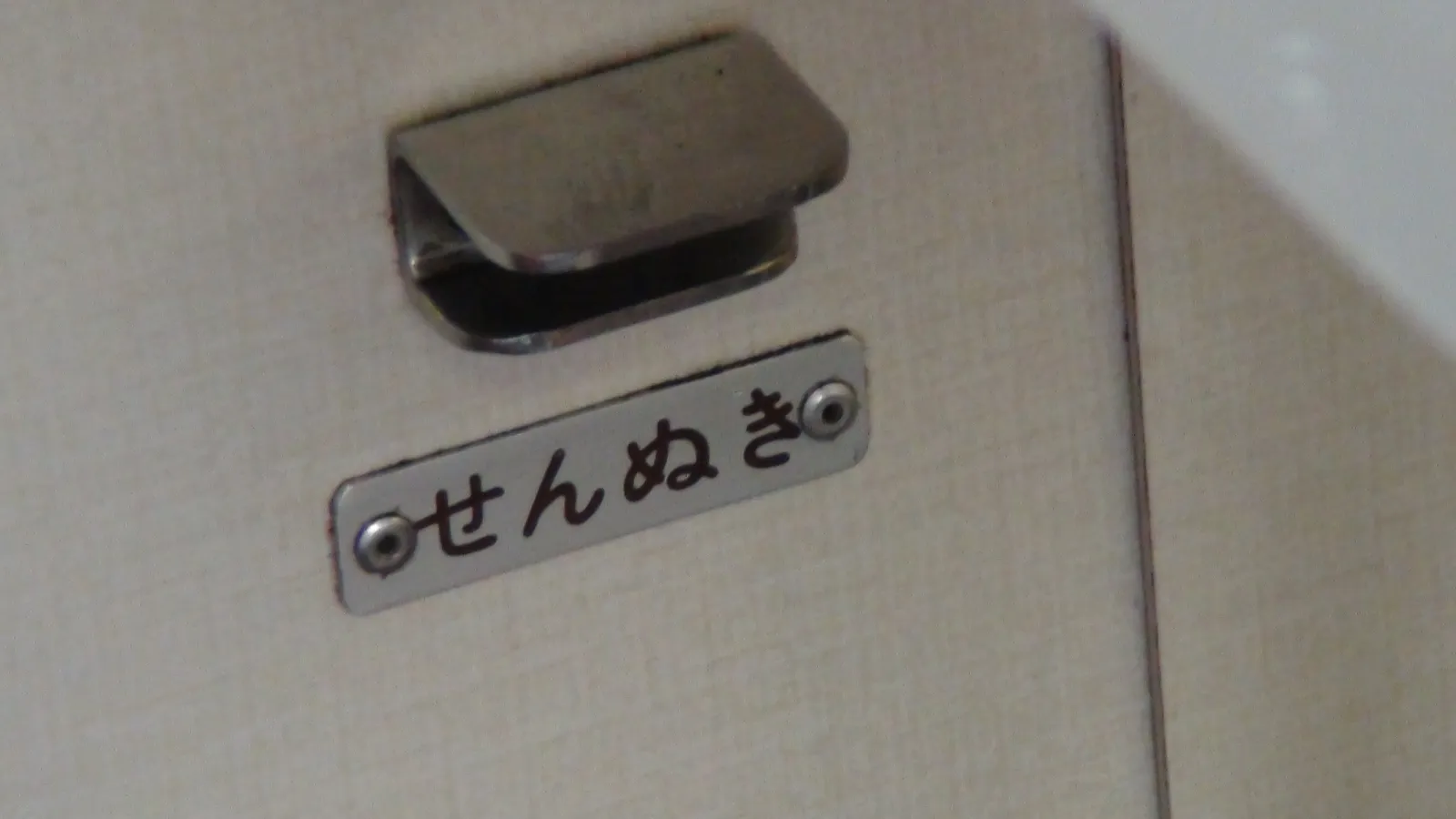
Photo: Hahifuheho / Wikimedia Commons (CC0)
Mounted openers: the classic one-handed option
A mounted bottle opener is fixed to a wall, table or counter so a bottle can be opened with one hand, and a cap catcher underneath can collect the caps (Wikipedia: Bottle opener). The idea is old: the first US patent for a bottle opener, granted in 1893, was a table-mounted model. You hook the cap under the lip, hold the bottle and tilt it down. If you mount one, put it at a height where your forearm is roughly level, so you are not reaching up or bending down.
Where the CapBlast fits
The CapBlast lever opener is a compact handheld lever designed for one-handed use, with a stainless build that copes with drops and damp. It suits someone who wants a portable opener and can still close their hand around a small tool. If even that grip is painful, a mounted opener or a longer, padded lever is the better choice, and we would rather you choose one of those.
Where the Beer Mortar fits
The Beer Mortar works differently. You rest it on top of a standard metal cap and give it one firm strike with your open palm: it opens the bottle and launches the cap upward. There is no pinching, twisting or hooking, which some people with stiff fingers find easier. The trade-off is that a palm strike sends a small jolt through the hand and wrist. If striking anything hurts your wrist, this one is not for you. Our guide to what a beer mortar is and how to use it shows the motion step by step. Always aim it upward into open space, never at people, faces, pets or anything breakable, and keep it away from children.
Simple tricks that make any opener easier
Whatever opener you have, a few habits reduce the effort:
- Open at table height, sitting down if you like. The bottle stays still and your arm does not have to hold it up.
- Put the bottle on a non-slip mat or damp cloth so the other hand does not have to clamp it.
- Push with the palm, not the fingertips. On a lever opener, set the lip, then press the handle with the flat of your hand.
- Keep the opener where you use it. A mounted opener by the fridge or a lever in the front of the drawer saves rummaging.
- Twist-off crowns still open with a lever. If turning a cap by hand hurts, use the opener anyway; it works the same way.
If you ever find yourself without an opener, our guide on how to open a beer without a bottle opener covers the alternatives, though most of them need more hand strength than a good lever.
Get advice tailored to your hands
The right tool depends on which joints are affected and how. An occupational therapist can look at the everyday tasks you find difficult and suggest other ways to do them, including equipment. In the UK, you can ask a GP for a referral or ask your local council, according to the NHS. In the US, the American Occupational Therapy Association explains what occupational therapy covers. Arthritis UK also suggests asking an occupational therapist for advice if you can, and trying products before you buy.
Buying one as a gift for an older parent
A bottle opener for elderly parents or grandparents is a small, practical gift, but it works best when it fits the person. Ask yourself where they open bottles (a mounted opener by the fridge), whether they carry one (a compact lever such as the CapBlast), or whether they like something that gets a reaction at family gatherings (the Beer Mortar, if their wrists are comfortable). The novelty bottle openers page compares the main formats side by side, and our bottle opener keychain guide covers smaller everyday-carry options.
Not just for beer
An easier opener helps with every bottle that has a metal crown cap: craft sodas, root beer in glass bottles, mineral water and alcohol-free beers. That makes it a sensible tool for any kitchen, whether or not anyone in the house drinks alcohol.
Beer is for adults of legal drinking age: 21 in the US under the National Minimum Drinking Age Act, and 18 to buy alcohol in the UK (GOV.UK). If you take medication for arthritis, check the leaflet or ask a pharmacist about alcohol. NIAAA's Rethinking Drinking site has practical tips for keeping an evening relaxed.
The bottom line
The easiest bottle opener for arthritic hands is the one that asks least of your fingers: a long handle, a thick grip, a push-down motion and a bottle that stays put. A mounted opener is the most reliable one-handed choice at home. For a portable option, a lever such as the CapBlast is designed for one hand, and the Beer Mortar swaps pinching for a single palm strike if your wrists are comfortable with it. When in doubt, ask an occupational therapist and try before you buy. For more ideas, see our gifts for beer lovers page.