· 6 min read
How to Read a Beer Label: ABV, IBU, Style, Dates and What the Law Requires
Alc./vol., IBU, style names, packaged-on dates and the government warning: what each part of a beer label means, and what it does not tell you.
- beer labels
- ABV
- IBU
- beer basics
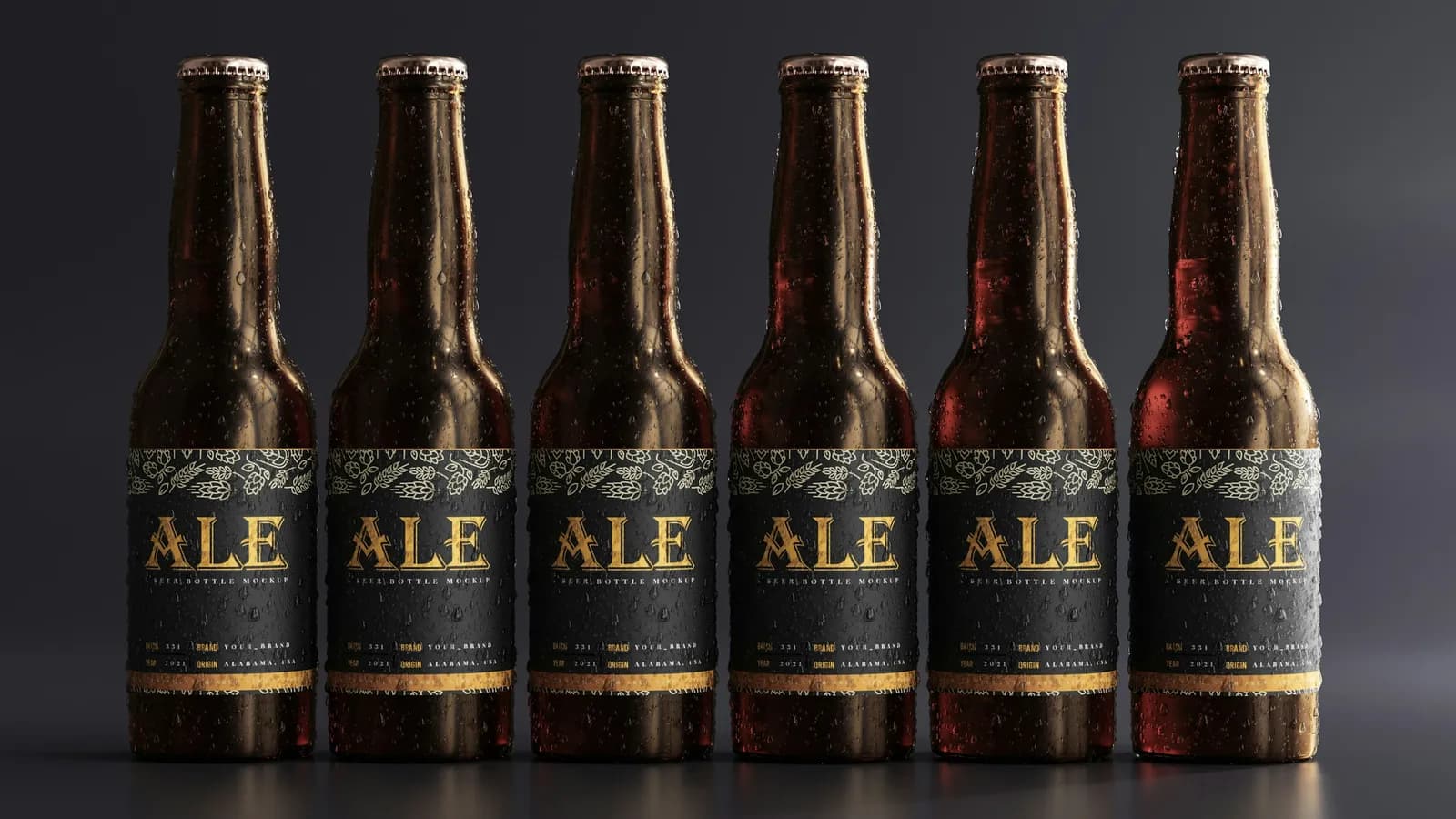
A beer label tells you four useful things: how strong the beer is, what style it is, how fresh it is, and who made it. The trick is knowing which parts are regulated and which are marketing. In the US, the Alcohol and Tobacco Tax and Trade Bureau (TTB) sets the rules, and some of them are surprising: the alcohol percentage is not always required, "ABV" is not an allowed abbreviation, and freshness dates are up to the brewer. Here is how to read a label from top to bottom.
What every US beer label has to show
TTB lists the mandatory information for malt beverages sold in the United States (TTB, mandatory label information):
- Brand name.
- Class and type designation: what the product is, such as "beer," "ale," "lager" or "malt liquor."
- Net contents: the volume, which can even be molded into the glass.
- Name and address of the brewer, bottler or importer.
- Certain ingredient declarations when present, such as FD&C Yellow No. 5, cochineal extract or carmine, sulfites and aspartame.
- Country of origin for imported beers.
- The government health warning statement, which must appear on all alcohol containers sold in the US.
Everything else, from the tasting notes to the cartoon on the can, is the brewer's choice. Mandatory information must be in English, with the exception of the brand name.
Alcohol content: alc./vol., not ABV
This is the number most people look for, and it comes with three surprises.
It is not always required. TTB only makes an alcohol statement mandatory when the beer contains alcohol from added flavors or other nonbeverage ingredients, other than hops extract. Otherwise it is optional at the federal level, unless a state requires it (TTB, malt beverage alcohol content). Most craft brewers print it anyway, because drinkers expect it.
"ABV" is not allowed on the label. Everyone says ABV, but TTB rules only permit "alc." and "vol." as abbreviations, so the label reads "5.2% alc./vol." or "5.2% alcohol by volume."
There is a tolerance. For beers at 0.5% or more, the actual alcohol content can be up to 0.3 percentage points above or below the figure on the label. A beer labeled 6.0% can legally be anywhere from 5.7% to 6.3%. If you compare two beers a few tenths apart, the label cannot settle the argument.
Low, non-alcoholic and alcohol free
The words around low-alcohol beer are also regulated by TTB:
- "Low alcohol" or "reduced alcohol": only for products under 2.5% alcohol by volume.
- "Non-alcoholic": must be followed immediately by "contains less than 0.5 percent (or .5%) alcohol by volume."
- "Alcohol free": only for products with no alcohol at all.
So a "non-alcoholic" beer is not the same thing as an "alcohol free" one. If that difference matters to you, read the small print.
Style names: lager, ale, IPA, stout
The class and type line tells you the broad family. Beyond that, style names like IPA, stout, pilsner, hazy or sour are descriptions chosen by the brewer, not legal categories with fixed recipes. They are still useful, because each style comes with expectations:
- Lagers and pilsners: crisp, clean, usually lighter in alcohol and best very cold.
- Pale ales and IPAs: hop-forward, aromatic, often bitter, best fresh.
- Wheat beers: soft, hazy, often fruity or spicy, served with a big head.
- Stouts and porters: dark, roasty, from light-bodied to very strong.
- Sours: tart, often fruity, sometimes aged.
The style also tells you which glass to reach for. Our beer glass types guide matches each style to its shape.
IBU: the bitterness number
Some labels print an IBU figure. It stands for International Bitterness Units, the internationally agreed standard for measuring bitterness in beer. One IBU equals 1 milligram per liter of iso-alpha acids, the bitter compounds that hops release during the boil (Oxford Companion to Beer, International Bitterness Units).
The same source gives typical ranges: roughly 5 to 10 IBUs for American light lagers, 8 to 12 for Bavarian hefeweizens, 35 to 40 for American pale ales, 55 to 70 for American IPAs, and 65 to 100 for double IPAs and American barley wines.
Two caveats. First, IBU is a measure of bitter compounds, not of how bitter a beer tastes: a strong, sweet stout can carry a high IBU and still taste balanced. Second, past a certain point, extra IBUs make little difference to your tongue. Use the number to compare beers of the same style, not to rank everything on one scale.
Dates: packaged on, best by, or nothing
Federal labeling rules do not include a freshness date among the mandatory items, so what you find depends on the brewer:
- "Packaged on" or "canned on": the most useful date. You can judge freshness yourself.
- "Best by" or "enjoy by": the brewer's own estimate of peak quality.
- A code: a string of numbers or letters on the neck, the bottom of the can or the side of the case. Some brewers explain their code on their website.
How much the date matters depends on the beer. Hop-forward beers like IPAs lose their aroma first, so drink them fresh. Strong, dark or aged beers change more slowly. Whatever the date, the way you store beer matters as much: light and heat age it fast, as we explain in our guide on how to store beer.
The government warning
Every alcohol container sold in the US carries the government health warning statement, in a format set by federal law. It is the same text on every beer, so it does not help you choose one, but it is a reminder worth reading once: drink responsibly, never drink and drive, and keep beer away from anyone underage.
What the label does not tell you
- How the beer was stored on its way to you. A fresh date on a warm shelf in the sun is not a fresh beer.
- How it will taste to you. Tasting notes are marketing; trust your own nose. Our guide to building a beer tasting flight at home is the best way to learn what you like.
- Calories and full ingredients, which are not part of the mandatory list for most beers.
Read it, chill it, open it
Once you have picked the right beer, chill it properly (our guide on how to chill beer fast covers the quick way), then open it with a bit of style. The Beer Mortar is a cannon-shaped bottle opener: rest it on the cap, give it one palm strike, and the cap launches. Aim it away from people, pets and anything breakable, and keep it away from kids.
The short version
A US beer label must show the brand, the class and type, the net contents, the name and address of the brewer or importer, some ingredient declarations, the country of origin for imports and the government warning. The alcohol percentage is often there but not always required, reads "alc./vol." rather than "ABV," and can be off by 0.3 points either way. IBU measures bitter compounds, not perceived bitterness. Dates are optional, so look for a "packaged on" date on hoppy beers. And whatever the label says, store your beer cold and dark, and enjoy it responsibly.
Cover photo: pmv chamara / Unsplash