
· 8 min read
Bottle Cap Launcher: How It Works, and Buying vs 3D Printing One
How a bottle cap launcher works, plus an honest comparison of buying one or 3D printing your own: file licenses, PLA heat limits, strength and safety.
- bottle cap launcher
- beer mortar
- 3d printing
- bottle opener
- how it works
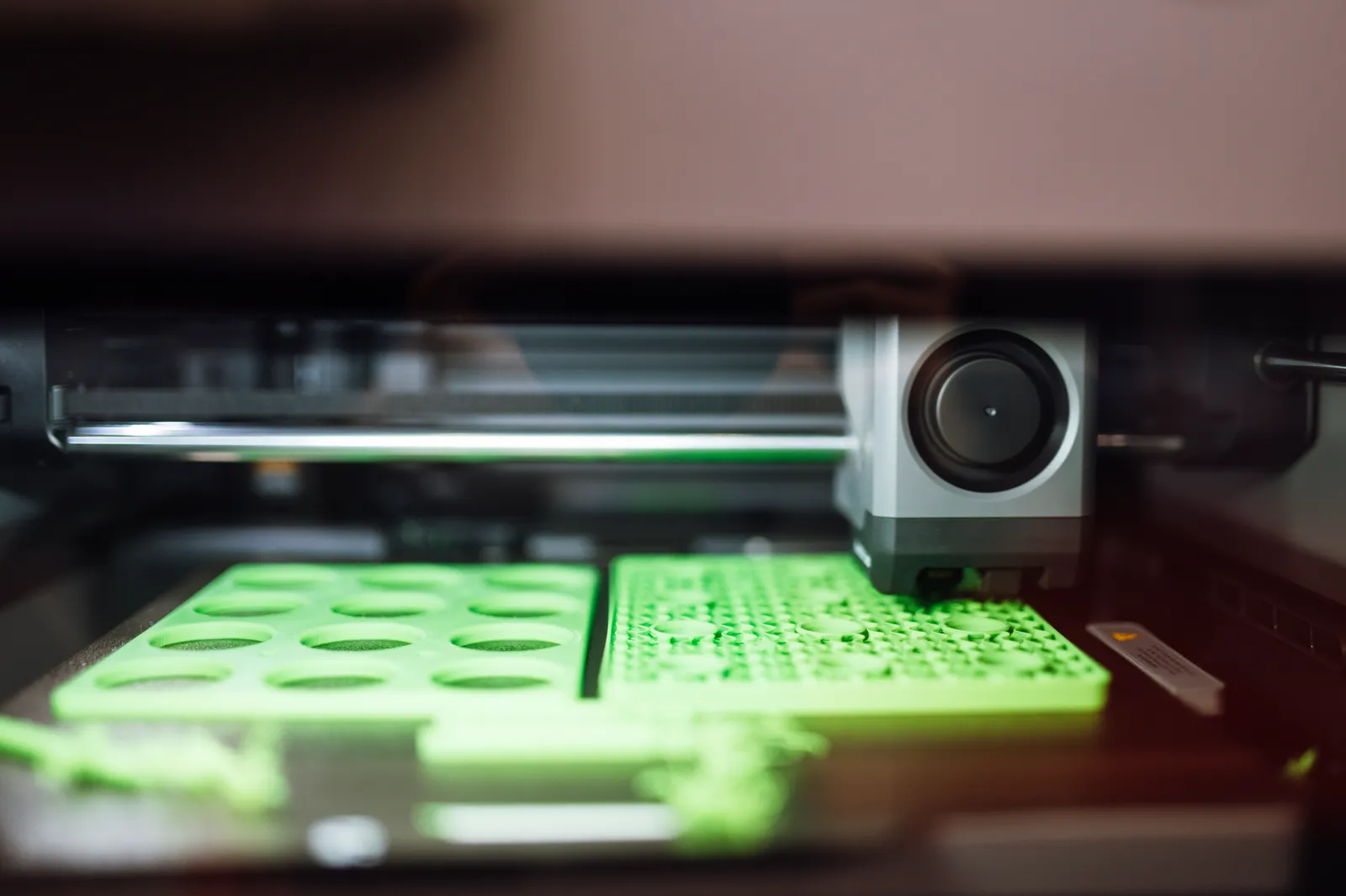
A bottle cap launcher opens a beer and sends the cap flying in one motion. It is part bottle opener, part party trick, and printable versions exist too, which raises a fair question: should you buy one or print your own? This guide explains how a bottle cap launcher works, compares buying a ready-made one such as the Beer Mortar with printing one from a downloaded file, and covers the safety rules that apply either way.
Key Takeaways
- A bottle cap launcher turns one strike into an upward push on the cap's crimped edge, so the cap leaves the bottle going up.
- Printing your own makes sense if you already own a printer and enjoy tinkering; check the file's license, the parts list and the material first.
- PLA, the most common printing plastic, softens around 140 to 149 °F, so a printed launcher should stay out of hot cars and dishwashers.
- Buying makes sense for a gift, for no setup, or for a solid body and a warranty.
- Whatever you choose: launch upward, never toward people or pets, adults only.
What is a bottle cap launcher?
A bottle cap launcher is a bottle opener that removes a metal crown cap and sends it into the air instead of dropping it onto the table. You will also see it called a cap launcher bottle opener, a beer cap launcher or a bottle cap shooter.
The best-known style is the mortar: a short, cannon-shaped body that sits on top of the bottle. You rest it on the cap, point it at the ceiling or the sky, and strike the top once with your palm. The Beer Mortar works this way, with no batteries, no app and nothing to charge. If you are comparing it with other fun openers, such as wall-mounted openers or cap catchers, our novelty bottle openers comparison sets out what each type does well.
How does a bottle cap launcher work?
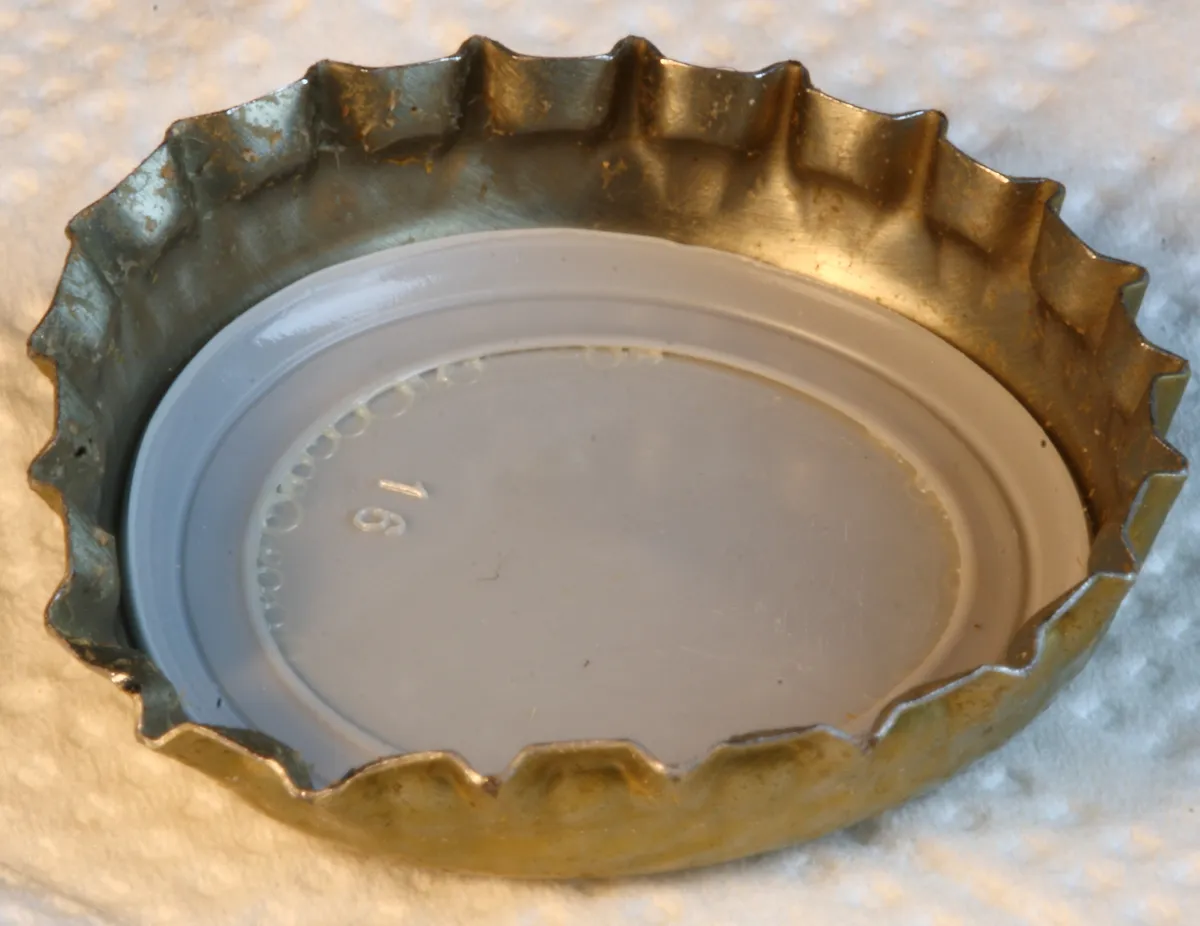
Photo: Hedwig Storch / Wikimedia Commons (CC BY-SA 3.0)
A bottle cap launcher works by lifting the cap's crimped edge off the glass in one quick movement, so the cap is released all at once and keeps moving upward.
It starts with the cap itself. A standard beer cap is a crown cork: a thin metal disc with a liner and a ring of crimped flutes that lock under the lip of the bottle (Wikipedia: Crown cork). Every opener, from a bar key to the edge of a table, does the same thing: it bends those flutes outward until they let go. Our article on why bottle caps still exist explains why that 19th-century design is still on most beer bottles.
In a mortar-style launcher, the sequence is short:
- The launcher rests flat on the cap, lined up with the crimp.
- Your palm strikes the top. The strike drives the mechanism inside the body; in the Beer Mortar, that is a spring and a piston.
- The crimp releases in one go, and the cap travels upward out of the muzzle.
The energy comes from your hand, not from the carbonation. For the flight itself (spin, height and why no two caps land in the same place), see the physics of a bottle cap trick shot. For a full step-by-step guide to using one, read what a beer mortar is and how to use it.
Buying vs 3D printing a bottle cap launcher
Printing your own suits people who already own a printer and like the project as much as the result. Buying suits gifts, people without a printer, and anyone who wants a finished, solid tool on the first day. Here is the comparison side by side:
| 3D printing your own | Buying a ready-made launcher | |
|---|---|---|
| What you need | A printer (or access to one), filament, a design file, often extra hardware | Nothing beyond the launcher |
| Setup | Slicing, printing, cleanup, assembly, test runs | Read the quick-start card, then use it |
| Material | Usually printed plastic, built layer by layer | Depends on the product; check the listing |
| Heat | PLA softens around 140 to 149 °F | Check the maker's care instructions |
| License | Set by the designer; often personal use only | Not your concern as a buyer |
| As a gift | Personal, but looks homemade | Arrives boxed, ready to hand over |
| If it breaks | You reprint or repair it | Seller's returns and legal warranty apply |
| Fun of making it | High | None |
What 3D printing a bottle cap launcher involves
1. The file and its license
Most printable launchers are shared as STL files on community design sites, and each one comes with a license chosen by its designer. Many use Creative Commons licenses. Some allow any use with credit; others add a NonCommercial term, which means you may not use the design for commercial purposes (Creative Commons: About CC licenses). In practice:
- Printing one for yourself is what most shared designs are meant for.
- Printing a batch to sell at a craft fair or online needs a license that allows it, or the designer's permission.
- Credit the designer when you post photos of your print, if the license asks for attribution.
2. The parts list
A launcher needs something to store and release energy. Read the design notes before you start: if the design calls for a spring, screws or other hardware, you will need to source the exact sizes listed, and the result depends on those parts as much as on the print.
3. The material
PLA is the default filament for most hobby printers because it is easy to print. Its weak point for this job is heat: PLA has a glass transition temperature of about 60 to 65 °C, roughly 140 to 149 °F (Wikipedia: Polylactic acid). Near that temperature it starts to soften. A printed launcher left on a car dashboard in summer or run through a hot dishwasher cycle can warp. Keep it indoors and wash it by hand. If the designer recommends a different filament, follow that advice.
4. Strength and print settings
Desktop printers that melt filament build a part layer by layer (Wikipedia: Fused filament fabrication), and the bond between layers is where printed parts tend to split. A launcher takes a sharp strike every time it opens a bottle, so:
- Use the orientation, wall count and infill the designer recommends.
- Inspect the print for cracks or loose layers before each session.
- Retire it at the first crack. A split body can pinch fingers or release the mechanism unexpectedly.
5. A safe first test
Test the finished launcher outdoors, on a bottle of sparkling water or an alcohol-free beer, aiming straight up with nobody nearby. That shows you whether the mechanism works before you take it to a party.
When buying a bottle cap launcher makes more sense
Buying a ready-made bottle cap launcher is the simpler route in a few common cases:
- It is a gift. A boxed launcher is ready to wrap. Our gifts for beer lovers page has more ideas grouped by type of drinker.
- You don't own a printer. Buying one for a single project rarely makes sense.
- You want it to work on the first try. No slicing, no test prints, no hardware to source.
- You want a solid tool. The Beer Mortar has a solid body and a replaceable mechanism, and it is covered by the legal warranty.
If you only want a reliable opener that fits on a keyring and doesn't launch anything, a lever opener such as the CapBlast is the plainer choice.
Safety rules for any bottle cap launcher
These rules apply whether you bought the launcher or printed it last night:
- Launch upward, into open space. Never toward people, faces, pets, windows, lights or anything breakable. A crown cap's crimped edge is sharp.
- Adults only. Keep launchers away from children, and store them out of reach.
- Use a stable surface. Stand the bottle on a flat table, not on a lap.
- Skip damaged bottles. If the neck or lip is chipped, open it with a regular opener, or not at all. Our guide on how to open a beer without a bottle opener covers the safer improvised methods.
- Pick up the caps. They are easy to step on and easy for a dog to find.
The fun is in the opening, not in how many bottles get opened. Beer is for adults of legal drinking age: 21 in the US under the National Minimum Drinking Age Act, and 18 to buy alcohol in the UK (GOV.UK). A launcher opens craft sodas and alcohol-free beers with standard crown caps just as well, and NIAAA's Rethinking Drinking site has practical tips for pacing an evening.
The bottom line
A bottle cap launcher pops a crown cap and sends it upward with one strike. Printing your own is a good project if you already have the printer and the patience, as long as you respect the file's license, source the hardware, and keep PLA away from heat. If you want one that works on day one, makes a ready-to-wrap gift and comes with a warranty, the Beer Mortar is built for exactly that. For other options, browse our novelty bottle openers.